







View our comprehensive portfolio of products for drug development and patient diagnosis and monitoring
Our products are trusted worldwide in research, clinical, and commercial laboratory settings.
Functional and biomarker assays for the exploration of every angle of the complement system
Our cell-based bioassays are based on iLite® technology – a cleverly designed cell-based assay system with reporter gene readouts
AAV Neutralizing Antibody (NAb), Total Antibody (TAb), and Complement Activation assays designed to provide a comprehensive view of vector immunogenicity
Solutions for detecting and semi-quantitating IgG antibodies against CCP
Our extensive CRO Services offer bioanalysis, biomarker discovery, and GMP QC testing.
With over 30 years of experience in autoimmune diagnostics, our ISO15189-certified specialist laboratory can help you reach the correct diagnosis. We also provide testing services and support for therapeutic drug monitoring.
Let us develop a custom iLite® cell line tailored to your needs.
Our cell services are highly reliable and innovative, tailored to your manufacturing needs

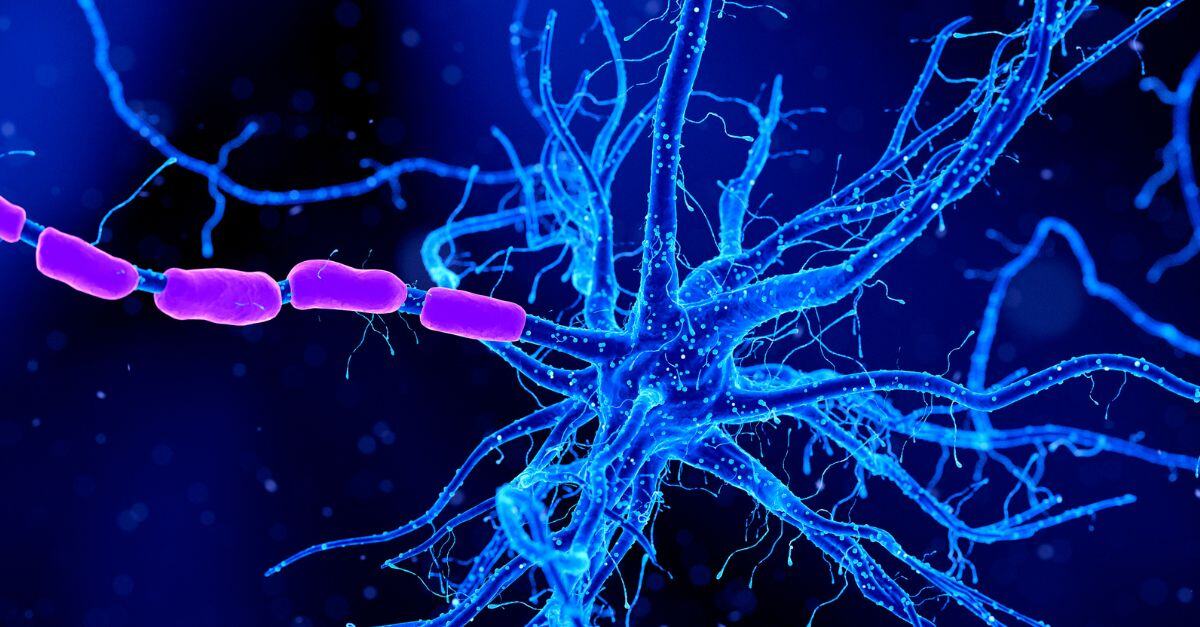
Neuromyelitis optica spectrum disorder (NMOSD) is an inflammatory, demyelinating disease of the central nervous system. The main characteristics of NMOSD are recurrent episodes of optic neuritis or acute myelitis.
The area postrema syndrome, characterized by episodes of intractable hiccups and problems with nausea and vomiting, frequently precedes the onset of optic neuritis or myelitis in patients with antibodies against aquaporin-4 (AQP4).
Previously classified as a variant of multiple sclerosis (MS), NMOSD is now recognized as a distinct clinical and pathological entity.
Most patients suffering from NMOSD test positive for AQP4 antibodies, but a subset instead has myelin oligodendrocyte glycoprotein (MOG) antibodies and is diagnosed with myelin oligodendrocyte glycoprotein antibody-associated disease (MOGAD). While NMOSD and MOGAD share clinical characteristics, their pathogenesis and disease courses often differ significantly.
Accurate differential diagnosis from MS is crucial, since both NMOSD and MOGAD require different treatment approaches. For patients presenting with any of these symptoms, it is recommended that serologic workups include both MOG and AQP4 antibody testing using cell-based assays (CBA). In rare cases, both AQP4 and MOG antibodies can be detected, but whether these cases represent a specific phenotype remains unknown.
Wieslab Diagnostic Services has been providing NMO antibody testing and supporting clinicians since 2007.
Accurate differential diagnosis from MS is crucial since both NMOSD and MOGAD require different treatment approaches.
Want more information about our services and our diagnostic panels for NMOSD, MOGAD, and MS?