








Performance Insights and Support for a Smooth Transition
We are excited to introduce our second-generation iLite® cells, designed to optimize your bioassay workflows and enhance data reliability. This blog post provides an in-depth look at the performance studies conducted on these new cell lines compared to the first-generation cells.
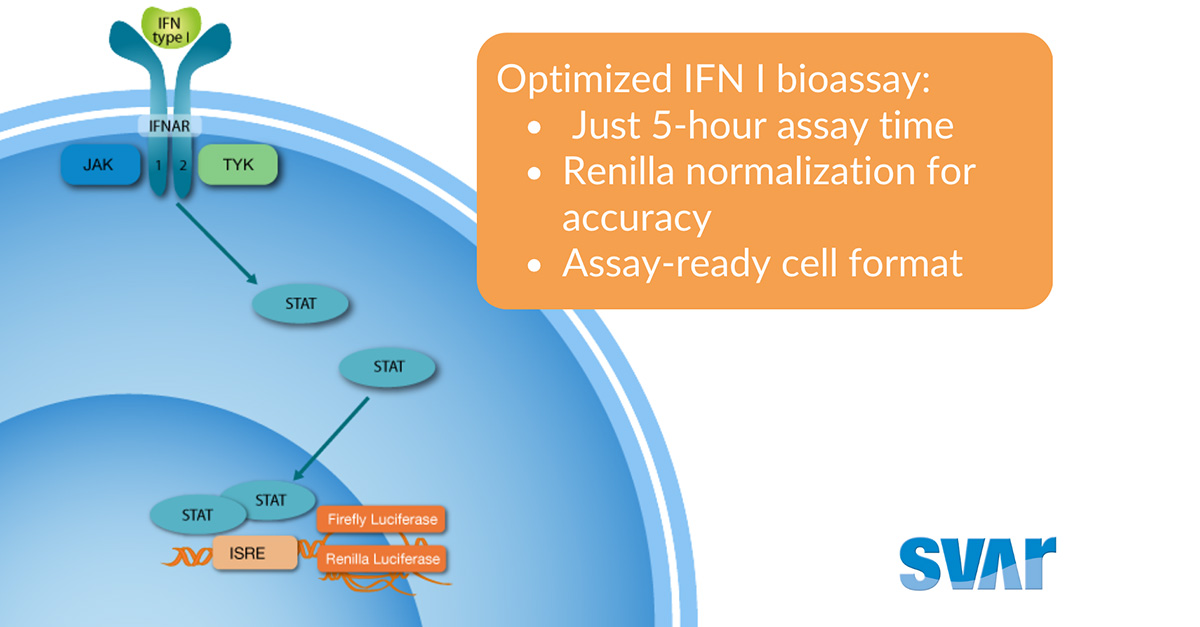
The second-generation iLite cells provide several advantages:
- A significant reduction in assay time, decreasing from 18 hours to just 5 hours while maintaining the integrity of the results.
- Improved accuracy and consistency of data through the incorporation of Renilla normalization.
- An assay-ready format that eliminates the need for labor-intensive cell culture procedures, streamlining the workflow and reducing resource costs.
Performance Studies on Second-Generation iLite Cells
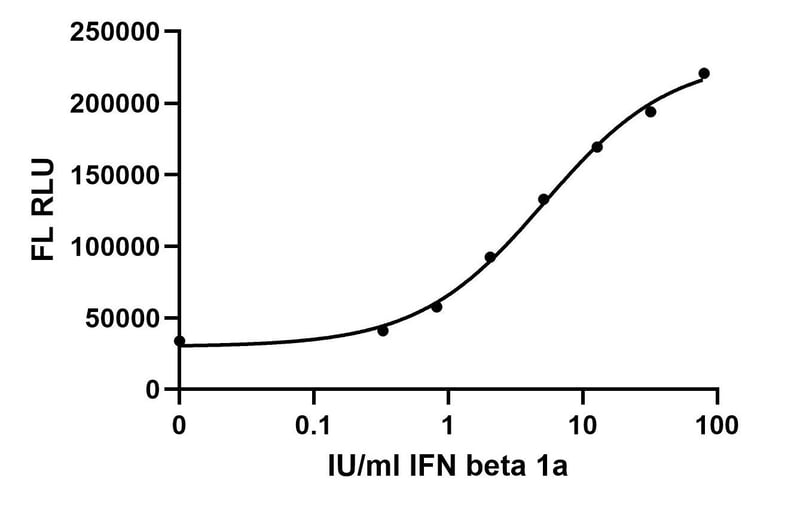
Extensive performance studies have been conducted to validate the efficacy of our second-generation iLite Type I IFN FAST Comparing studies demonstrate similar performance on dynamic range, plate homogeneity, and day-to-day accuracy.
Fold induction
IFN I first-generation iLite
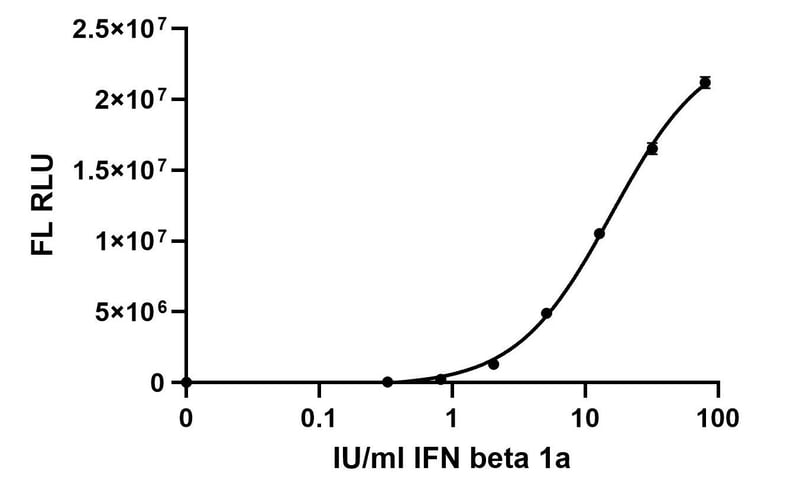
Day-to-day variation
IFN I first-generation iLite
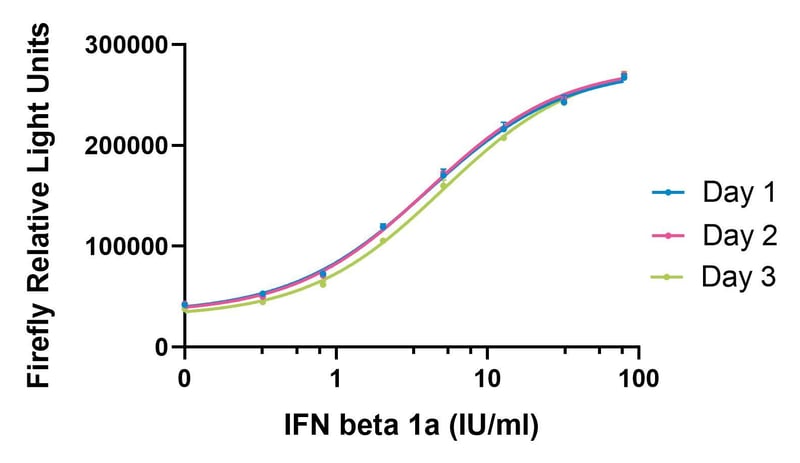
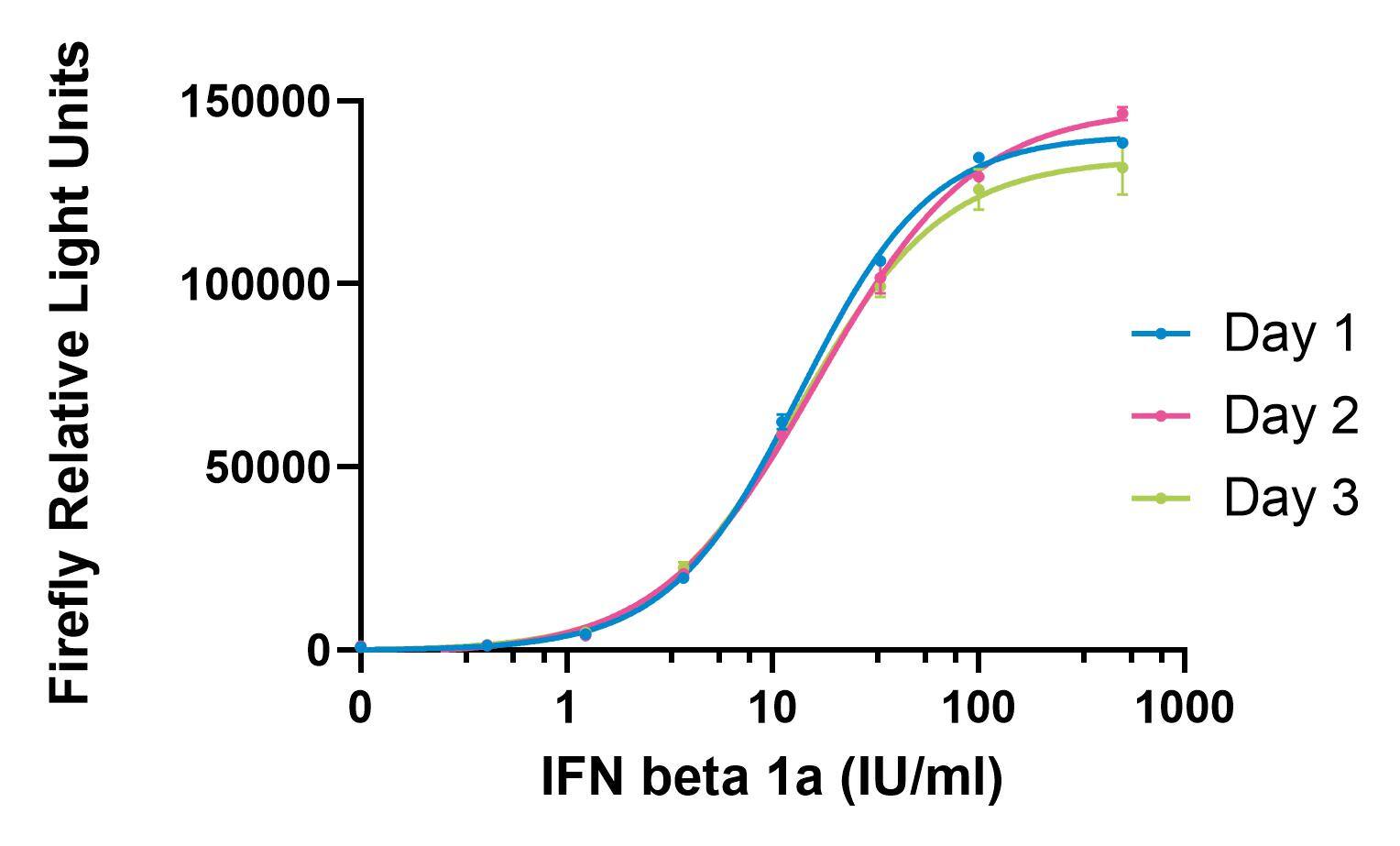
The data indicates that the second-generation IFN FAST iLite cell lines can improve workflow efficiency. By providing similar reliability and reproducibility, essential for robust bioassay results - in less time!