




iLite® CD19 (+) Target Assay Ready Cells
BM5025
Engineered to express CD19, this iLite® target cell line supports ADCC and bispecific antibody assays targeting CD19-positive cells.
- "Assay-ready" format for rapid and convenient use
- Reproducible and biologically relevant results
- Reduced assay variability and higher reproducibility compared to cells in culture
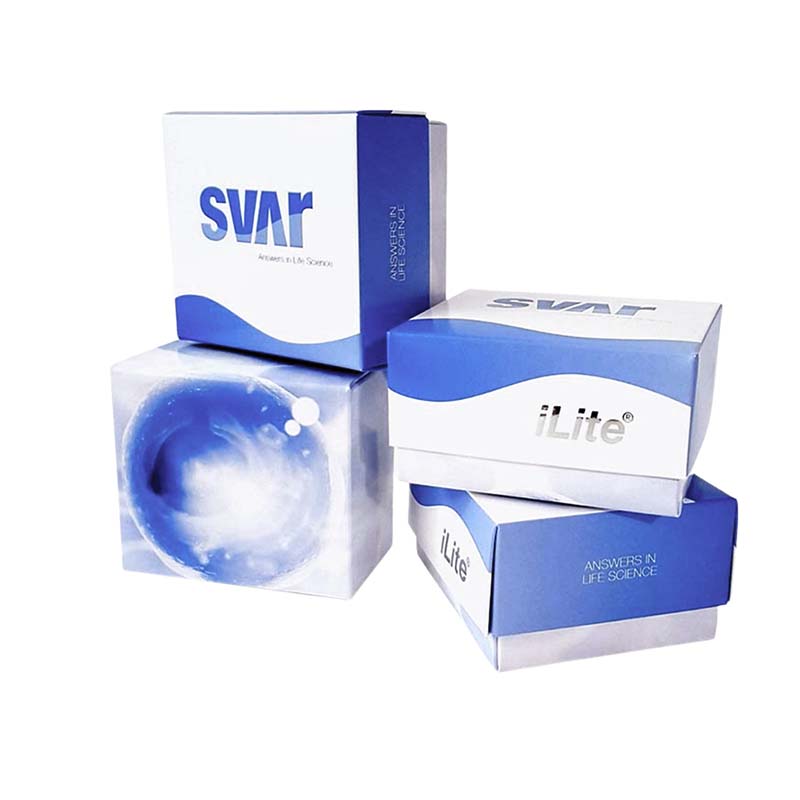
Product Overview
The iLite® CD19 (+) Target Assay Ready Cells express the antigen CD19 on the cell surface and can be used as target cells in assay assessing antibodies towards CD19.
iLite CD19 (+) Target Assay Ready Cells are genetically engineered human cells (Raji, ATCC# CCL-86) optimized to over-express the surface antigen CD19.
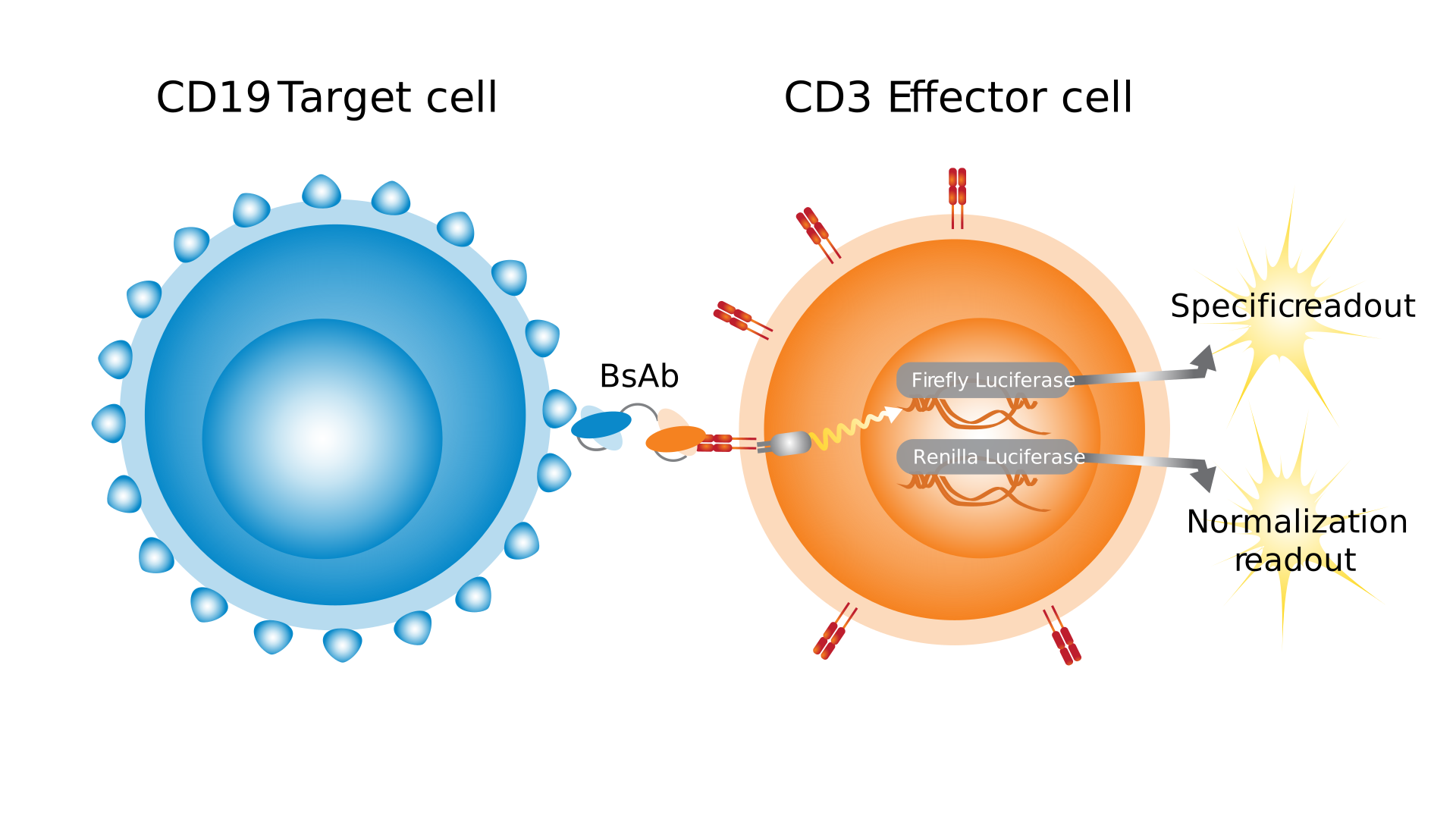
The cells can be used as target cells together with iLite® CD3 Effector Assay Ready Cells for measurement of bi-specific CD3-CD19 antibody activity.
FOR RESEARCH USE ONLY
How it works
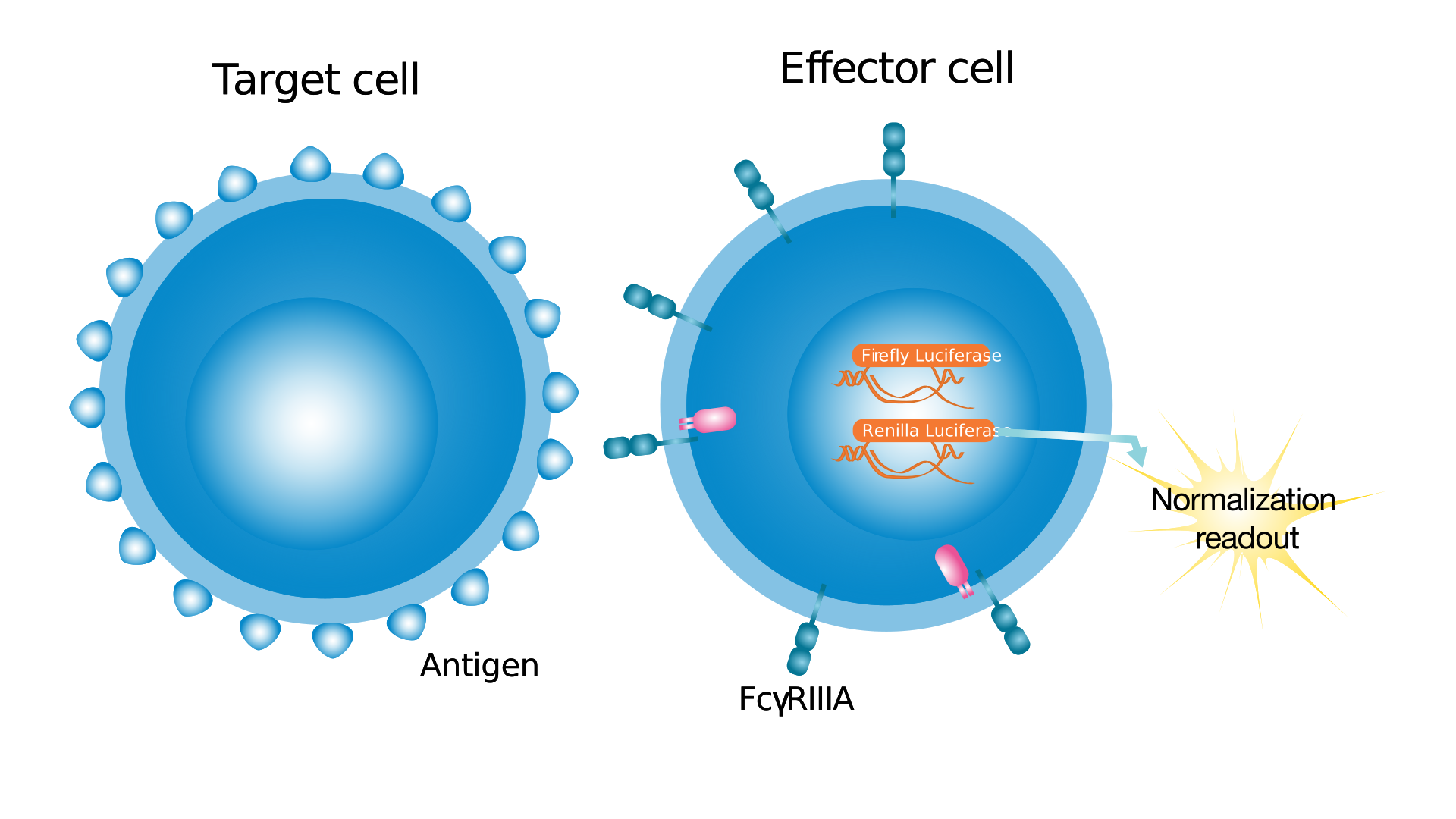
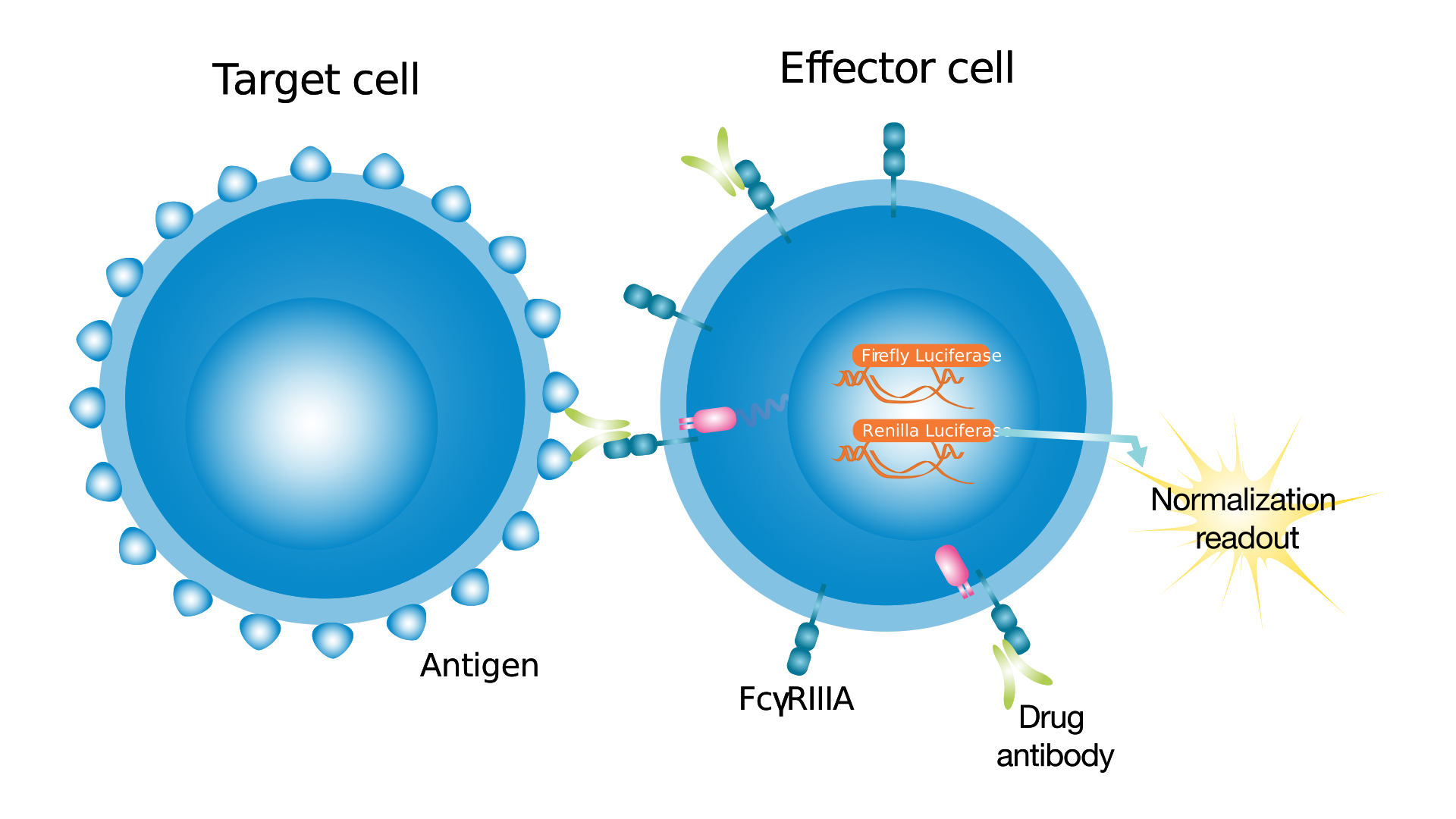
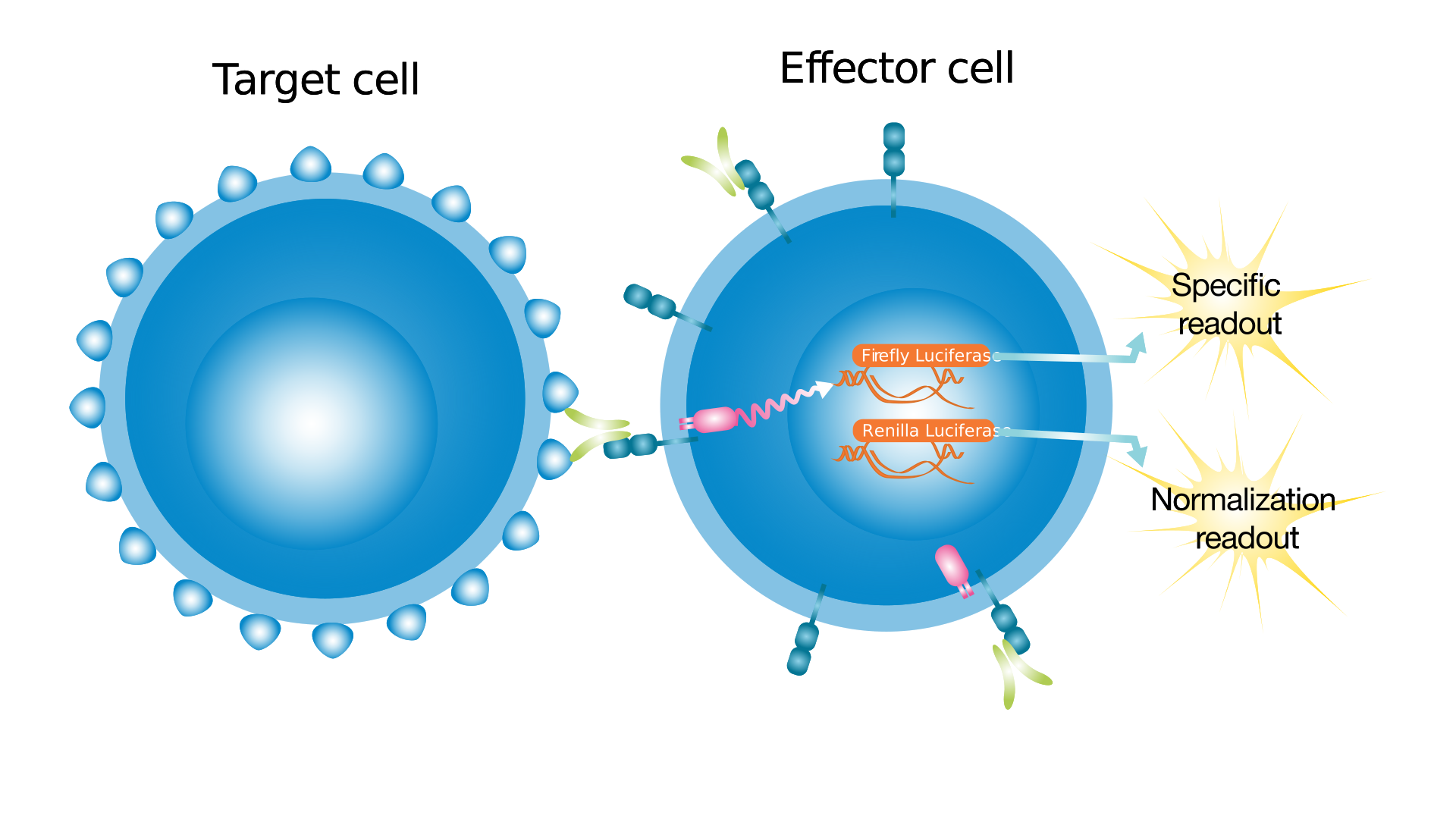
Principle of iLite® ADCC Bioassays
Our two-cell ADCC bioassays consist of target cells expressing the antigen under study and effector cells closely resembling the natural FcγRIIIa (CD16) signal transduction pathway. Target control cells that do not express the antigen are also available. The effector cells contain two luciferase genes: an inducible Firefly luciferase gene and a constitutively expressed Renilla luciferase gene used for control purposes.

How it works
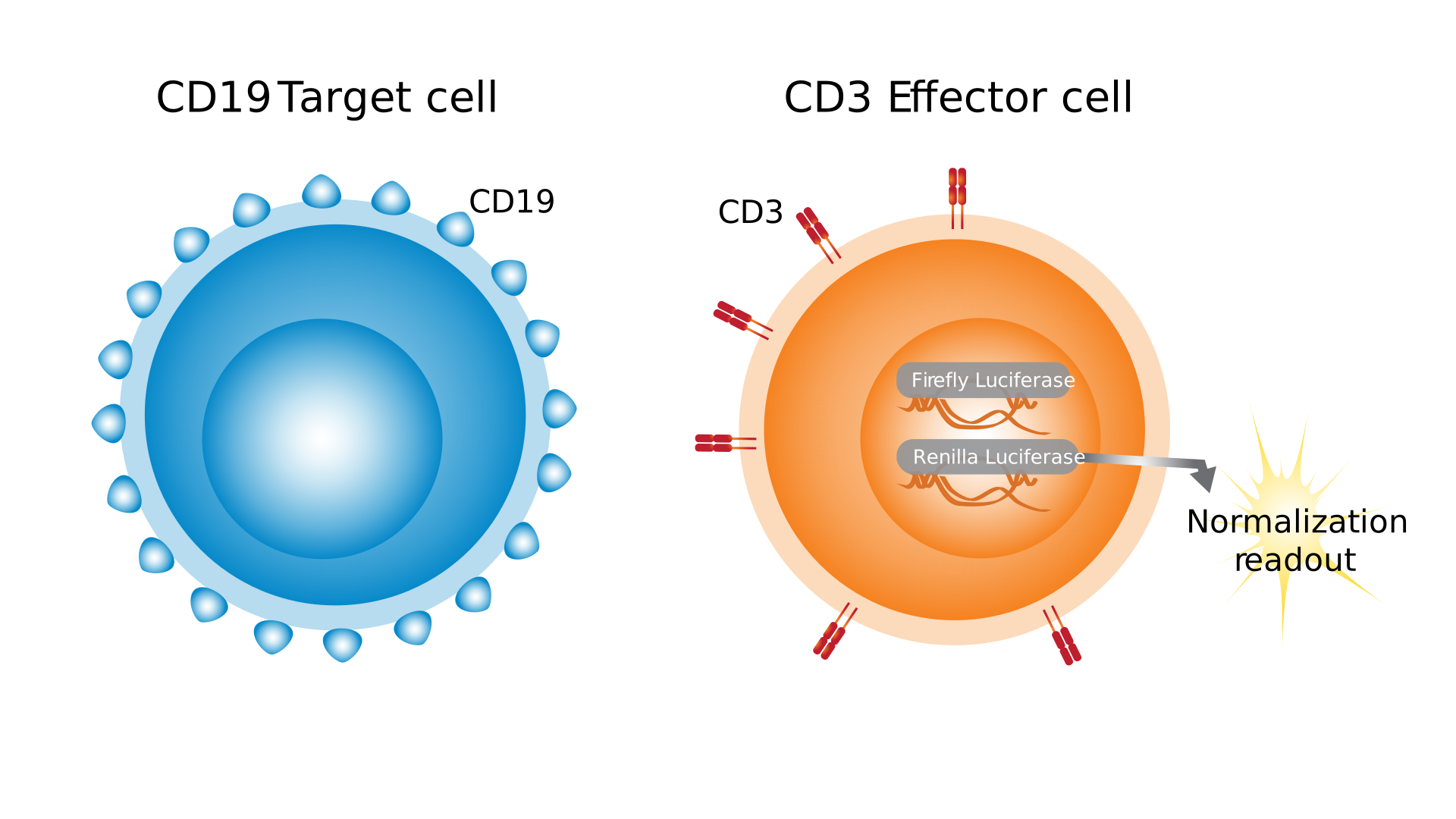
Principle of iLite® T-cell activation bioassays
Our two-cell T-cell activation bioassays consist of target cells expressing the antigen under study and effector cells expressing CD3/TCR Complex. Target control cells that do not express the antigen are also available. The effector cells contain two luciferase genes: an inducible Firefly luciferase gene and a constitutively expressed Renilla luciferase gene used for control purposes.
What's in the box?
>250 µL of iLite® Assay Ready Cells suspended in cryoprotective medium.
Specifications
| Product code | BM5025 |
| Assay target | CD19 ADCC |
| Technology | Cell-based reporter gene assay |
| Detection system | Luminescence |
| Regulatory status | Research Use Only |
| Assay time | 5h |
Documents

Downloads
Quantification of Bispecific Antibody Mediated T-cell Activation
Read post
A Cell-Based ADCC Bioassay Comparison
Read post
Designing Optimal Bioassays for Measuring ADCC & ADCP Activity
Read post
Quantification of ADCP Activity of Therapeutic Antibodies Using Engineered Effector Cells and Target...
Read post.jpg?width=500)
Bispecific Antibodies – Quantifying Their Activity Using iLite® Bioassays
Read post
Navigating the Complexities of Cell-based Assays in GMP QC Testing: The Journey to Robust Assays
Read post
The Value of Assay-Ready Cells in Providing Biologically Relevant Data for Robust Therapeutic Develo...
Read post
How Biosimilars Are Expanding Options for Patient Care
Read post
Biosimilar Development: Experts Discuss Analytical Characterization Toolkits for Antibody Therapeuti...
Read post
The Future of Drug Development for Complex Pathologies: Versatile Cell-based Assays and Customizable...
Read post
Webinar - Advancements in GMP QC Testing: A Comprehensive Guide to Cell-Based Assays
Read post